
Understand the differences
Neurodivergent persons experience the world differently than what is considered the "norm" by society. Understanding and affirming these differences can help investigators create the connection necessary to conduct effective interviews and avoid misinterpretation of communication or mannerisms.

Know how the interview is impacted
The memory is accurate - it's the ability to organize and communicate that memory that may be affected. Also, what might be considered standard interviewing settings and normal interpersonal interactions may instead cause discomfort and even distress. It's important to know how these issues impact the interview and overall investigation.
Learn applicable and effective strategies
In order to conduct interviews in the most ethical and effective way, investigators must understand the differences in the way a neurodivergent person experiences the world. This training will provide insight into effective strategies for accommodating those differences and allowing that person the best opportunity to tell their truth in their way.
Why This Matters Now
Approximately 15-20% of the population possess some neurodiverse traits, and that number is likely an underestimation. Societal understanding and acceptance of neurodiversity, as well as advancements in diagnostic capability mean those numbers are on the rise. And given the fact that many neurodiverse traits are not readily apparent, it's not only likely that many investigators will interview more and more neurodiverse persons, they likely already have! Given the likelihood of investigators needing to interview someone from this population as a complainant, witness, or suspect, understanding how to adapt interviewing techniques to accommodative of these special differences is a professional obligation.
About Your Instructor
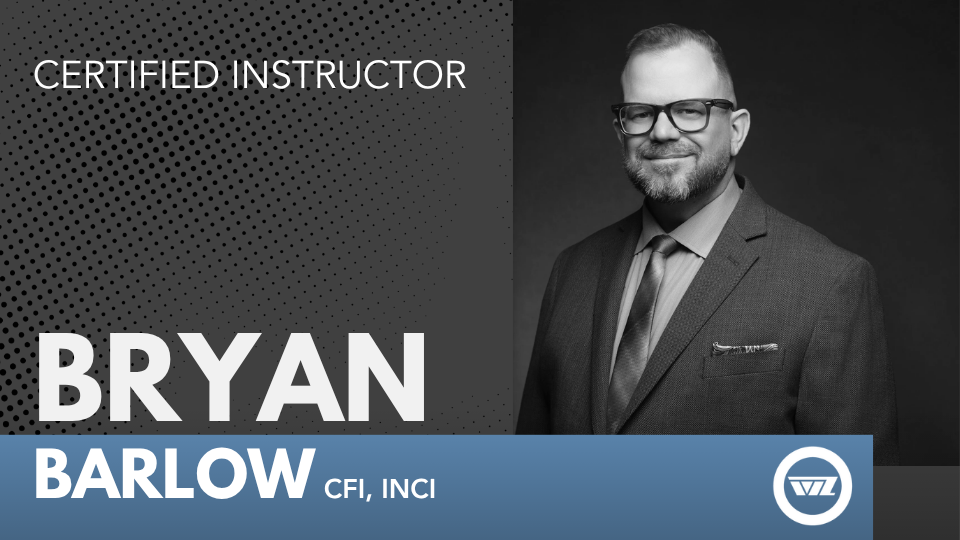
Bryan Barlow, CFI, INCI, joined the Chicago Police Department (CPD) in 2002 and was promoted to Detective in 2008, where he conducted a wide variety of investigations. In 2015, Bryan became a training coordinator and instructor for the CPD's Bureau of Detectives, where he researched and wrote curriculum on Investigative and Trauma-Informed Interviewing, Investigative Methodologies, and Law. In 2023, Bryan began conducting seminars with Wicklander-Zulawski & Associates (WZ). Bryan is a Certified Forensic Interviewer (CFI) and IADLEST National Certified Instructor (INCI), holds a Master of Business Administration degree from Loyola University Chicago, a Master of Jurisprudence degree with a concentration in Criminal Law from DePaul University, and is a veteran of the U.S. Army.
What You'll Learn
-
-
Welcome to the Course! Free preview
-
(Included in full purchase)
Introduction
-
(Included in full purchase)
What is Neurodiversity?
-
(Included in full purchase)
Neurodiversity Overview
-
-
-
(Included in full purchase)
Barriers and Challenges
-
(Included in full purchase)
The Neurodiverse Experience
-
(Included in full purchase)
The Individual Interpersonal Environmental (IIE) Model
-
(Included in full purchase)
-
-
(Included in full purchase)
Issues of Concern
-
(Included in full purchase)
-
-
(Included in full purchase)
Building the Investigator's Toolkit
-
(Included in full purchase)
The Witness-Aimed First Account (WAFA) Technique
-
(Included in full purchase)
WAFA Example
-
(Included in full purchase)
-
-
(Included in full purchase)
Key Takeaways
-
(Included in full purchase)
Final Assessment
-
(Included in full purchase)